Sitting Cat Machine Embroidery Design
A Calm, Confident First Impression for Brand-Forward Merch
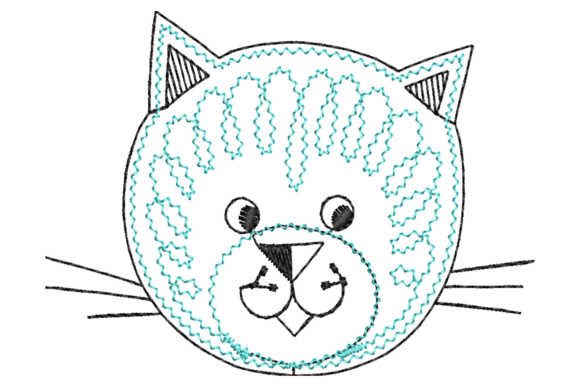
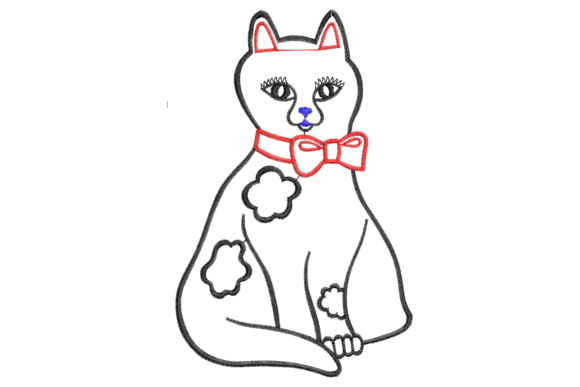
As an embroidery designer who’s developed hundreds of commercial designs for small businesses—from indie bakeries to pet wellness studios—I immediately recognize the quiet strength in the Sitting Cat Machine Embroidery Design. Its description—“a white cat sitting calmly in an elegant and gentle pose” with “soft lines and clean details”—tells me this isn’t a cartoonish or overly stylized motif. It reads as elegant, modern, and intentionally serene. That matters deeply when you’re building brand identity through stitched detail. For a florist launching branded aprons, a cat café rolling out staff caps, or a handmade soap brand adding embroidered patches to gift sets, this design communicates care, calm, and craftsmanship—not clutter or chaos.
Where It Shines in Real Small Business Merch
The Sitting Cat Machine Embroidery Design excels where subtlety and recognition intersect. On a chest pocket of a linen apron? Perfect—it anchors the garment without overwhelming. As a 2.5-inch embroidered patch on a canvas tote bag? Highly effective; the clean silhouette holds up at mid-size and reads clearly from across a farmers’ market stall. For cap embroidery on the front panel of structured cotton twill? Yes—if digitized with appropriate underlay and reduced density to avoid stiffness. It also works beautifully as a sleeve accent on work shirts for boutique retail teams or as a subtle label on reusable product packaging (think: embroidered tags on organic cotton drawstring bags).
Because it falls cleanly into the Animals category while avoiding cliché, it supports diverse brand personalities: a vintage-inspired bookstore might pair it with serif typography for charm; a modern pet wellness brand could use it solo in monochrome for premium clarity; an Etsy seller crafting handmade ceramics might stitch it onto tea towel hems as a signature touch. As a digital embroidery file, its versatility makes it a smart addition to any small business’s core design assets.
Smart Use Cases Beyond the Obvious
- Staff uniforms: Adds warmth without sacrificing polish—ideal for customer-facing roles in cafes, studios, or boutiques.
- Branded product add-ons: Works as a small, high-value detail on handmade goods (e.g., stitched onto leather journal closures or ceramic coaster sleeves).
- Event merch: Scales well for limited-run embroidered tote bags or denim jackets at local markets or pop-ups.
- Etsy branding: When paired with consistent thread colors and placement, it builds visual consistency across listings and physical packaging—boosting buyer trust and repeat engagement.
Where to Proceed with Intentional Care
Not every surface or scale suits the Sitting Cat Machine Embroidery Design. Its “soft lines and clean details” mean fine outlines and moderate stitch density—so caution is needed on curved surfaces like baseball cap fronts or tight-fitting knit caps unless the digitizing accounts for distortion. At under 1.75 inches, delicate features may blur—always test it at your target patch size before bulk production. Avoid using it on highly textured fabric (like bouclé or heavy burlap) without extra stabilizer, and reconsider placement on dark uniforms unless thread contrast is verified—white-on-black requires precise tension control and often a topping stabilizer.
Also note: frequent washing weakens fine detail over time. If stitching for restaurant aprons or daycare staff gear, confirm the stitch density allows breathability and durability. And never assume it’s optimized for commercial embroidery—always verify licensing terms before applying it to client merchandise or resale products.
How It Strengthens Brand Identity—Beyond Cuteness
Let’s be clear: this isn’t just “a cat.” The Sitting Cat Machine Embroidery Design carries tonal weight. Its peaceful posture and gentle lines reinforce values like mindfulness, reliability, and approachability—qualities that resonate with customers of wellness studios, artisanal food brands, and sustainable lifestyle shops. When repeated across touchpoints (caps, totes, aprons, packaging), it becomes a quiet but consistent visual cue—enhancing brand identity without shouting. That consistency builds recognition faster than text-only logos for many audiences, especially in tactile, experience-driven spaces like cafés or craft fairs.
For handmade product sellers, it signals intentionality: this isn’t a stock clipart overlay—it’s a considered machine embroidery design meant to elevate the finished product. That perception increases perceived value and supports premium pricing. And because it avoids trend-driven exaggeration, it won’t date quickly—making it a long-term asset, not a seasonal gimmick.
Practical Designer Notes Before You Stitch
Before sending the Sitting Cat Machine Embroidery Design to your machine or client:
- Test in black and white first—to assess contrast, balance, and clarity without color distraction.
- Check performance at your smallest intended size—especially for cap fronts or tiny product labels.
- Review thread color contrast on your actual fabric swatch—not just on screen.
- Inspect spacing between elements; tight curves or narrow legs need breathing room to avoid thread buildup.
- Confirm hoop size compatibility with your frame and garment placement.
- Test on real fabric with your chosen stabilizer—different weights and weaves react uniquely to stitch density.
- Create a printable mockup for client approval—showing exact size, placement, and thread palette.
- Compare it beside other design assets (logos, fonts, patterns) to ensure visual harmony.
- Verify commercial licensing—this is non-negotiable for small business merch, custom apparel, or resale items.
When thoughtfully applied, the Sitting Cat Machine Embroidery Design does more than decorate—it connects. It turns an apron into a statement, a tote into a keepsake, and a cap into a conversation starter. For small businesses investing in authentic, tactile branding, that kind of resonance isn’t optional. It’s essential.