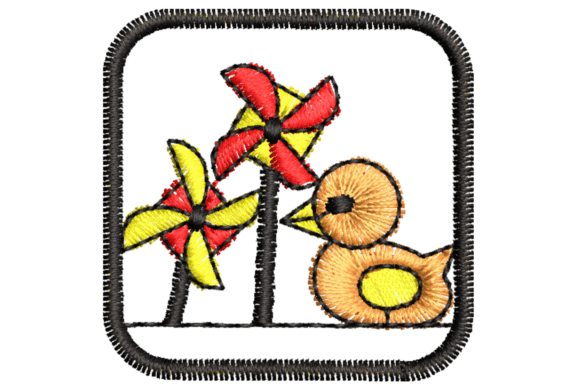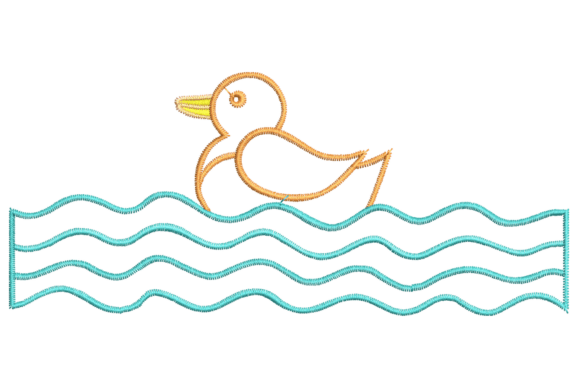
Floating Duck Embroidery Design
First Impression: Soft, Calm, and Instantly Recognizable
As an embroidery designer who’s prepped over 200 craft fair booths—and watched which designs stop foot traffic versus which get a polite glance—I immediately felt the quiet charm of the Floating Duck Embroidery Design. It’s not bold or flashy. It’s not rustic or vintage-coded. Instead, it lands in that sweet, increasingly rare space: softly modern with handmade warmth. The phrase “sweet duck gently resting on the water” tells me this isn’t cartoonish or exaggerated—it’s serene, intentional, and emotionally resonant. That calmness translates directly to buyer appeal: parents seeking nursery décor, gift shoppers looking for gentle baby items, and boutique makers curating thoughtful, uncluttered collections.
Where It Shines: Craft Fair Product Placement That Converts
In my booth setup—featuring embroidered tote bags, tea towels, pillow covers, patches, and small fabric pouches—the Floating Duck Embroidery Design performs strongest when given breathing room and context. On a natural linen tote bag, centered just below the shoulder strap, it reads as premium, intentional, and quietly joyful. As an apron embroidery near the pocket? It adds personality without overwhelming utility. And on a folded tea towel displayed with the design facing outward? It invites touch and conversation—especially paired with soft thread colors like duck-egg blue, warm ecru, and muted sage.
It’s less effective on curved surfaces (like baseball caps) unless scaled down significantly—and even then, waterline detail may blur. As an embroidered patch, it holds up beautifully at 3–4 inches wide, especially when backed with iron-on stabilizer for easy application by customers. For pillow covers, I recommend placing it off-center on one corner—it feels curated, not generic. And as a small shop product for Etsy sellers? Pair it with a printable mockup showing three real fabric options (linen, terry cloth, canvas) to boost perceived value and reduce returns.
Production Realities: What Makes This Design a Smart Batch Choice
The Floating Duck Embroidery Design is inherently batch-friendly—if you respect its rhythm. It’s not overloaded with tiny beak details or micro-feathers, so stitch density stays moderate. That means faster run times, less thread breakage, and consistent results across dozens of tea towels or pouches. It scales cleanly from 2.5 inches (ideal for patches or corner accents) up to 5.5 inches (perfect for pillow covers or market bag centerpieces). No dense fill areas that sink into terry cloth or distort on textured towels—just clean outlines and gentle satin-stitched water ripples.
That said: always test the machine embroidery design on your exact fabric. A dark navy towel needs high-contrast thread (ivory or pale yellow), while light linen sings with tonal stitching. And if you’re using thick cotton duck or canvas, confirm your hoop size accommodates the full design without re-hooping mid-stitch—this saves time during craft fair prep marathons.
Careful-Use Notes Every Designer Should Check
- Dense stitch areas: None reported—but verify spacing between duck body and waterline in your embroidery file; tight gaps can vanish on low-pile fabrics.
- Tiny details: Avoid shrinking below 2 inches—the duck’s eye and subtle water reflection may lose clarity.
- Textured towels: Use medium-weight cutaway stabilizer to prevent puckering; skip tear-away on heavy terry.
- Curved cap surfaces: Not recommended unless simplified—waterline distortion risks reading as “duck floating sideways.”
- Dark fabric: Requires bright, matte thread (not rayon) for visibility—test contrast before committing to 50 units.
Why This Design Strengthens Your Booth & Brand
In a sea of florals, slogans, and seasonal trends, the Floating Duck Embroidery Design stands out by being emotionally specific yet universally soothing. It doesn’t shout—it invites. That makes it ideal for booth displays where you want customers to pause, lean in, and ask, “Is that hand-embroidered?” (Even when it’s machine-made, the quality reads as artisanal.) Paired with cohesive thread palettes and natural fibers, it reinforces brand consistency across your handmade product line—whether you’re an Etsy seller, Cricut crafter expanding into commercial embroidery, or a boutique maker building signature design assets.
It also lifts perceived value. A plain organic cotton pouch becomes giftable with this design—not because it’s flashy, but because it feels considered, calm, and kind. That emotional resonance drives repeat buyers and word-of-mouth referrals at local markets.
Embroidery Designer’s Must-Do Checklist
- Test the digital embroidery file on scrap fabric matching your final product (e.g., waffle weave for tea towels).
- Check thread contrast on both light and dark fabric swatches—don’t rely on screen color.
- Review spacing: ensure waterline clears the duck’s underside by at least 1.5mm to avoid visual merging.
- Confirm hoop size compatibility—especially if using multi-position hoops for large runs.
- Inspect stitch density visually: no overlapping fills, no jagged edges on curves.
- Choose stabilizer based on fabric texture—not just weight (e.g., cutaway + topping for terry).
- Create at least one real-world mockup (not just digital): photograph it in natural light, draped and flat.
- Compare how the design reads across three fabric colors—this informs your product photos and listing copy.
- Verify commercial licensing terms before selling finished products—especially for wholesale or bundled kits.
Final Thought: A Quiet Design With Strong Selling Power
The Floating Duck Embroidery Design won’t dominate a crowded table—but it will draw the right people. The ones slowing down, smiling softly, and reaching for the tea towel instead of scrolling past. In the Animals category, it avoids cliché. In the Embroidery space, it honors craftsmanship without demanding perfectionism. And for craft fair sellers, handmade shop owners, and Etsy sellers building a sustainable creative business? It’s a reliable, repeatable, emotionally intelligent craft fair product—one that sells not because it’s loud, but because it feels like home.