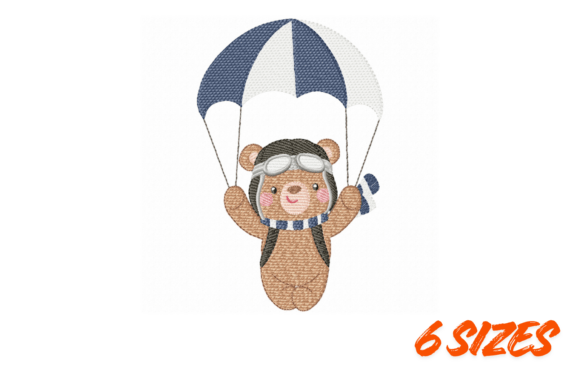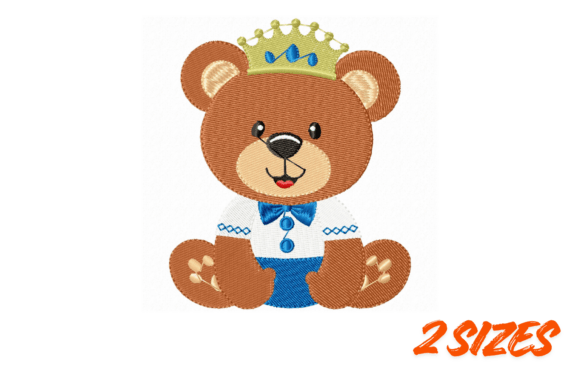
Prince Teddy Bear Embroidery Design
First Impression: Soft, Whimsical, and Instantly Recognizable
As an embroidery designer who’s prepped over 200 craft fair booths—and watched thousands of shoppers pause at a table—I’ll say it straight: Prince Teddy Bear Embroidery Design lands with quiet charm. It’s not loud or trendy; it’s soft, elegant, and gently regal—think velvet bowties, tiny crowns, and plush bear silhouettes that whisper “heirloom,” not “hasty print.” That’s gold for baby-focused handmade markets. Customers don’t just see a bear—they see a story. A gift. A nursery moment waiting to happen. It leans into the Baby Animals category without cliché, avoiding cartoonish exaggeration while staying undeniably approachable.
Where It Shines on Craft Fair Products
This isn’t a one-trick design—it’s versatile, but not generic. Here’s where Prince Teddy Bear Embroidery Design earns its spot front-and-center on your table:
- Tote bags & market bags: Works beautifully as a centered chest motif (3–4” wide) on natural canvas or linen. Feels premium—not juvenile—and attracts parents, grandparents, and boutique buyers alike.
- Aprons & tea towel embroidery: A single bear on the pocket or corner reads clean, warm, and handmade. On textured terry or waffle-weave towels, it holds shape well—no bleeding or distortion if stabilized correctly.
- Embroidered patches: Ideal size and detail balance for iron-on or sew-on patches. Crisp crown lines and defined paws stay legible even at 2.5”, making it perfect for onesies, backpacks, or denim jackets.
- Pillow covers & small pouches: As a focal point on 12x12” linen pillows or zippered cotton pouches, it adds instant personality and perceived value—especially when paired with tonal thread colors (ivory on oatmeal, charcoal on slate).
- Booth samples & printable mockups: Photographs exceptionally well. Soft shadows, balanced negative space, and clear silhouette make it ideal for Etsy listings and Instagram carousels—even in flat-lay shots with neutral backdrops.
What Makes It Sell—Beyond Cuteness
At a craft fair, attention is fleeting. Prince Teddy Bear Embroidery Design wins because it’s instantly readable at 6 feet, emotionally resonant, and commercially flexible. It doesn’t scream—but it lingers. Buyers associate it with care, intention, and gentle sophistication. That translates directly to higher perceived value on finished products. When stitched on organic cotton or heavyweight linen, it reinforces brand consistency for small shop owners who curate cohesive collections (e.g., matching baby blankets + burp cloths + milestone cards).
For Etsy sellers, this design performs well in search: “prince teddy bear embroidery,” “baby boy nursery embroidery,” and “regal bear machine embroidery design” all align naturally. And yes—it’s repeatable. You can batch-produce 20 pillow covers or 50 tea towels without visual fatigue. The motif is distinctive enough to feel special, but simple enough to maintain stitch integrity across runs.
Practical Production Notes Every Embroiderer Should Check
Before loading your hoop, take five minutes to inspect the digital embroidery file:
- Stitch density: Look for tight crowns or bowtie details—these areas may require lightweight cutaway stabilizer on knits or stretchy baby fabrics. Avoid heavy tear-away on towels; opt for wash-away on dense sections.
- Small lettering or fine lines: If the design includes a tiny “PRINCE” banner or script name, test it at 3” scale on scrap fabric. Some versions render beautifully; others blur on textured surfaces like terry cloth or fleece.
- Hoop size & placement: Confirm the largest version fits your standard hoop (many crafters use 4x4 or 5x7). If it pushes boundaries, adjust placement on curved surfaces—like cap fronts—where distortion skews delicate features.
- Fabric texture matters: This design shines on smooth weaves (cotton poplin, linen blend) but may lose definition on ultra-thick terry or heavily napped sherpa. Always test on your *exact* production fabric—not just muslin.
- Thread contrast: On dark fabric, verify that light-colored thread (e.g., ivory crown, blush cheeks) won’t disappear. Suggest using matte poly or rayon threads for soft sheen—not high-gloss, which can overwhelm the gentle mood.
Design Integrity Tips for Handmade Sellers
Your credibility hinges on execution. Before selling any craft fair product with Prince Teddy Bear Embroidery Design, do this:
- Run a full test on scrap fabric—same type, same color, same stabilizer you’ll use for production.
- Create at least one real mockup: stitch it onto your final tote bag or pillow cover, photograph it in natural light, and compare it to your digital listing image.
- Review spacing between bear elements—especially ears and crown—if scaling down for patches or onesie appliqués.
- Check commercial licensing terms. Since this is a digital embroidery file, confirm whether resale of finished goods is permitted—most reputable designers include standard commercial use, but always verify.
- Compare thread colors across fabric swatches: what reads “soft gold” on white may look brassy on cream. Keep a physical thread key handy for booth consultations.
Final Thought: A Quiet Standout in a Busy Market
In a sea of glitter, florals, and bold typography, Prince Teddy Bear Embroidery Design stands out by being thoughtfully restrained. It doesn’t chase trends—it supports them. It works for gender-neutral baby registries, modern nurseries, vintage-inspired boutiques, and minimalist handmade brands alike. For embroidery business owners building scalable, emotionally resonant product lines, this is more than a machine embroidery design—it’s a reliable anchor piece. Stitch it right, present it with intention, and watch it become a quiet bestseller at your next craft fair—or a steady performer in your Etsy shop’s Baby Animals collection. Just remember: clarity, contrast, and careful testing turn a sweet idea into a trusted handmade product.