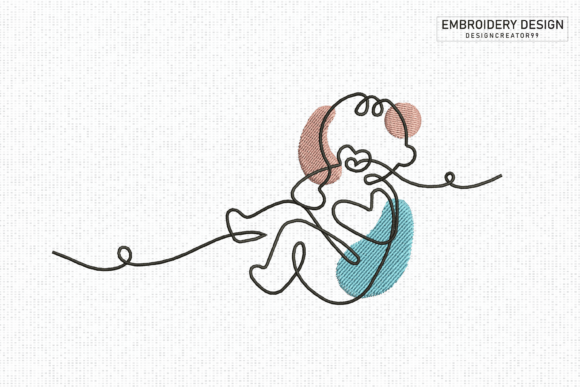
Newborn Baby Embroidery Design
A Thoughtful First Impression for Boutique Apparel Projects
As an embroidery designer who’s developed collections for boutique apparel brands and Etsy sellers for over a decade, I opened the Newborn Baby Embroidery Design file with quiet anticipation—not for novelty, but for intention. What stood out immediately was its gentle visual personality: soft curves, balanced negative space, and a stitching mood that feels tender without tipping into saccharine. It’s not overly detailed or densely stitched, yet it carries enough decorative strength to hold presence on fabric—especially on neutral sweatshirts and pastel hoodies. This isn’t a bold statement piece; it’s a quiet signature—feminine, classic, and quietly modern. That balance makes it versatile across product types, from cozy seasonal outfits to minimalist t-shirts and lifestyle-focused tote bags.
How It Performs Across Real Apparel Applications
For sweatshirt embroidery, the Newborn Baby Embroidery Design shines in chest placement—its proportions scale well on standard adult and youth fits without crowding seams or distorting on curved surfaces. On oversized hoodies, it reads cleanly even when placed slightly higher than center, avoiding pocket interference. As a hoodie design, it works beautifully on the left chest or sleeve cuff—small enough for subtle branding but distinct enough to spark recognition. For back designs, I’d recommend pairing it with a coordinating monogram or simple phrase (e.g., “Little One” in a clean script) rather than using it alone at full size—it’s designed for intimacy, not dominance.
On t-shirt embroidery, the stitch density feels intentional—not so light it fades on textured cotton, nor so heavy it stiffens the fabric. It holds up well on midweight jersey, especially with tear-away stabilizer and moderate tension. For tote bag design, it anchors beautifully near the top seam or centered on the front panel, adding warmth to otherwise utilitarian pieces. As part of a custom apparel line, it supports cohesive storytelling: think matching sets (onesie + parent hoodie), gender-neutral gifting bundles, or seasonal capsule drops like “Spring Arrival” or “Cozy Beginnings.”
Where to Use It—and Where to Pause
The Newborn Baby Embroidery Design excels on stable, low-stretch fabrics—cotton fleece, brushed twill, and structured denim jackets all respond well. But caution is warranted on highly ribbed knits or ultra-soft French terry: test first. The design includes fine interior details that can blur if hooped too loosely or stitched on unstable ground. On dark garments, contrast matters—opt for cream, heather gray, or pale mint thread colors to preserve delicacy without sacrificing visibility. Avoid placing it directly over seams or high-movement zones (like underarm or elbow bends) unless you’ve confirmed hoop stability and fabric recovery.
Because it’s sized for versatility—not extreme miniaturization—small chest placement works best on youth or petite adult garments. On larger chests, consider scaling up only if your machine handles expanded stitch counts smoothly. And while it’s lovely on curved surfaces like sleeves or hoods, always pre-test on scrap fabric cut from the same garment batch—fabric texture shifts dramatically between dye lots and finishing processes.
Impact Beyond the Stitch
This machine embroidery design does more than decorate—it elevates perceived value. When applied cleanly to a premium neutral sweatshirt, it signals care, attention to detail, and brand consistency. For a small shop product, that translates to stronger buyer trust and repeat engagement. Customers browsing Etsy listings or Instagram feeds recognize thoughtful curation instantly—and the Newborn Baby Embroidery Design delivers that quiet professionalism. It strengthens brand identity when used across complementary items (e.g., embroidered onesies, matching parent hoodies, and branded gift boxes), creating visual consistency without repetition fatigue.
In printable mockups and social media graphics, it photographs cleanly—even on natural light setups—making product presentation efficient for time-strapped Etsy sellers and handmade product creators. Its classic tone avoids trend dependency, meaning your finished product stays relevant across seasons. That longevity supports long-term commercial embroidery planning, whether you’re building a baby boutique line or expanding a lifestyle brand into newborn gifting.
Practical Designer Notes Before You Stitch
Before committing to production, here’s what I always do—and recommend you do too:
- Test on scrap fabric pulled from the exact garment batch you’ll use—fabric texture affects stitch definition more than most realize.
- Confirm your stabilizer choice: medium-weight cutaway for stretchy knits, tear-away for stable wovens. Skip fusible-only options unless you’re layering with additional support.
- Review thread colors against your base fabric under both daylight and indoor lighting—what reads soft in studio light may disappear on screen.
- Verify hoop size compatibility before loading—some versions of this digital embroidery file include multiple sizes, but always double-check Creative Fabrica’s product details.
- Inspect stitch density visually in your embroidery software—if clusters appear overly tight or thin in key areas, adjust tension or stabilizer weight accordingly.
- Compare placement options on a physical garment mockup—not just on screen—to assess proportion and flow.
- Confirm licensing terms directly on Creative Fabrica: as a Freebies Embroidery listing, usage rights for finished product resale may vary—review before launching your boutique collection.
The Newborn Baby Embroidery Design won’t replace complex digitized portraits or statement lettering—but it fills a vital niche with sincerity and craftsmanship. For apparel decorators building meaningful connections through softness, simplicity, and seasonal warmth, it’s a reliable, quietly powerful tool. Used intentionally, it becomes part of your brand’s visual language—not just decoration, but resonance.