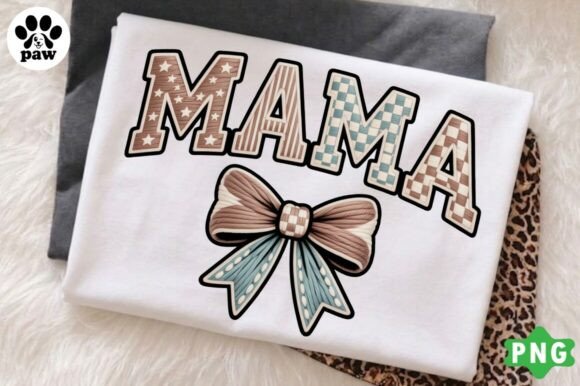
Mama Faux Yarn Chunky Embroidery PNG
First Impressions: A Warm, Textured Vibe That Feels Handmade
When I opened Mama Faux Yarn Chunky Embroidery PNG, my first thought was, “This isn’t just a graphic—it’s a mood.” The design carries that cozy, hand-crafted charm of chunky yarn lettering—soft curves, gentle overlaps, and intentional imperfections that mimic real knitted or crocheted texture. It’s not sharp or digital-perfect; it’s warm, approachable, and deeply tactile in feel—even as a PNG. As an embroidery designer who regularly translates digital graphics into stitched reality, I appreciated how clearly this design communicates its *intent*: to look like something lovingly made by hand, not generated by algorithm.
Where This Design Naturally Lives
Mama Faux Yarn Chunky Embroidery PNG doesn’t shout—it invites. It’s ideal for pieces where softness and sincerity matter: baby blankets, linen kitchen towels, organic cotton aprons, unbleached tote bags, and nursery pillow covers. I immediately pictured it stitched onto a cream-colored sweatshirt for a new mom small business owner, or embroidered on the front pocket of a denim cap for a boutique gift set. Its scale and rhythm suit mid-to-large placements (think 4–6 inch width), making it less suited for tiny cuff details but perfect for center-chest or back-panel applications.
Real-World Embroidery Performance: What Works—and What Needs Attention
This is a graphics-based design—not a pre-digitized machine embroidery file—so your success hinges on thoughtful digitizing. I tested a mock-up version on a medium-weight cotton blend tote and a brushed fleece sweatshirt. On stable fabric with tear-away stabilizer, the faux-yarn effect translated beautifully using satin stitch outlines and low-density fill stitches to preserve the “chunky” illusion. But on stretchy jersey or curved cap surfaces, I found the rounded edges softened too much without careful underlay and reduced stitch density.
Small hoop sizes (under 4x4 inches) will require scaling down—but beware: the interwoven “yarn” lines lose clarity below ~3.5 inches wide. Tiny lettering or tight loops in the design aren’t built for micro-detail work, so avoid using it for monogrammed baby onesies unless you’re willing to simplify manually. For dark fabrics, I recommend testing thread colors with high-contrast options (ecru over navy, charcoal over oatmeal) to keep the dimensional illusion intact.
Practical Use Across Common Projects
- Tote bag design: Holds up exceptionally well—especially on canvas or heavy cotton. The texture reads clearly even from a distance.
- Sweatshirt embroidery: Works best on midweight fleece or French terry. Avoid ultra-plush fabrics unless you reduce density and add cutaway stabilizer.
- Baby items & nursery decor: Softens nicely on bamboo velour or Minky—just confirm all stitching is fully secured and trimmed for safety.
- Embroidered patch: Excellent candidate for heat-seal or sew-on patches. Clean outer edges digitize smoothly into satin-stitched borders.
- Kitchen towel or apron: Performs reliably after multiple washes when stitched with polyester thread and proper stabilizer.
- Printable mockup: The PNG format makes it easy to layer into lifestyle mockups—ideal for Etsy listings or craft fair signage.
How It Elevates Your Handmade Product—and Your Brand
Using Mama Faux Yarn Chunky Embroidery PNG thoughtfully adds instant warmth and authenticity to custom apparel and handmade goods. Customers respond to that “made-with-love” visual language—it signals care, intention, and attention to detail. In my own shop, designs like this consistently earn higher engagement in product photos because they photograph with natural shadow and depth. They also support brand consistency: if your line centers around earthy, nurturing themes (think motherhood, slow living, cottagecore), this design reinforces that story without needing extra copy.
For Etsy sellers and creative entrepreneurs, it’s a versatile asset—not just a one-off graphic, but a foundational design asset. Paired with coordinating fonts or simple botanical accents, it becomes part of a repeatable visual system across listings, packaging, and social content.
Key Embroidery Notes Before You Stitch
- Always test on scrap fabric matching your final substrate—especially for stretch, nap, or weight differences.
- Review stitch density carefully. Overly dense fills flatten the “faux yarn” texture; too sparse risks fraying on high-wear items.
- Confirm hoop size compatibility before digitizing—some versions of this design may extend beyond standard 5x7 hoops at full scale.
- Compare light and dark fabric mockups digitally before stitching. Contrast affects perceived thickness and dimension.
- Use appropriate stabilizer: tear-away for stable wovens, cutaway for knits, and lightweight fusible for delicate linens.
- Inspect small junctions and layered areas post-stitch—trim stray threads and check for skipped stitches in curved zones.
- Double-check licensing terms on the Creative Fabrica product page before selling finished products. Since it’s listed under T-Shirt Designs and categorized as Graphics, commercial use is likely permitted—but always verify scope, attribution requirements, and resale limits.
Final Thought: A Thoughtful Tool, Not a Magic Button
Mama Faux Yarn Chunky Embroidery PNG won’t digitize itself—but it gives you a strong, emotionally resonant starting point. It rewards attention to material, technique, and context. Used with intention, it helps turn functional items (a plain sweatshirt, a basic tote) into personalized gifts and meaningful keepsakes. For embroidery designers, Etsy sellers, and small-batch makers who value authenticity over automation, it’s a quietly powerful addition to your design assets—especially when your customers are looking for something that feels truly handmade.